When to Call a Certified Arborist: Signs Your Trees Need Expert Care
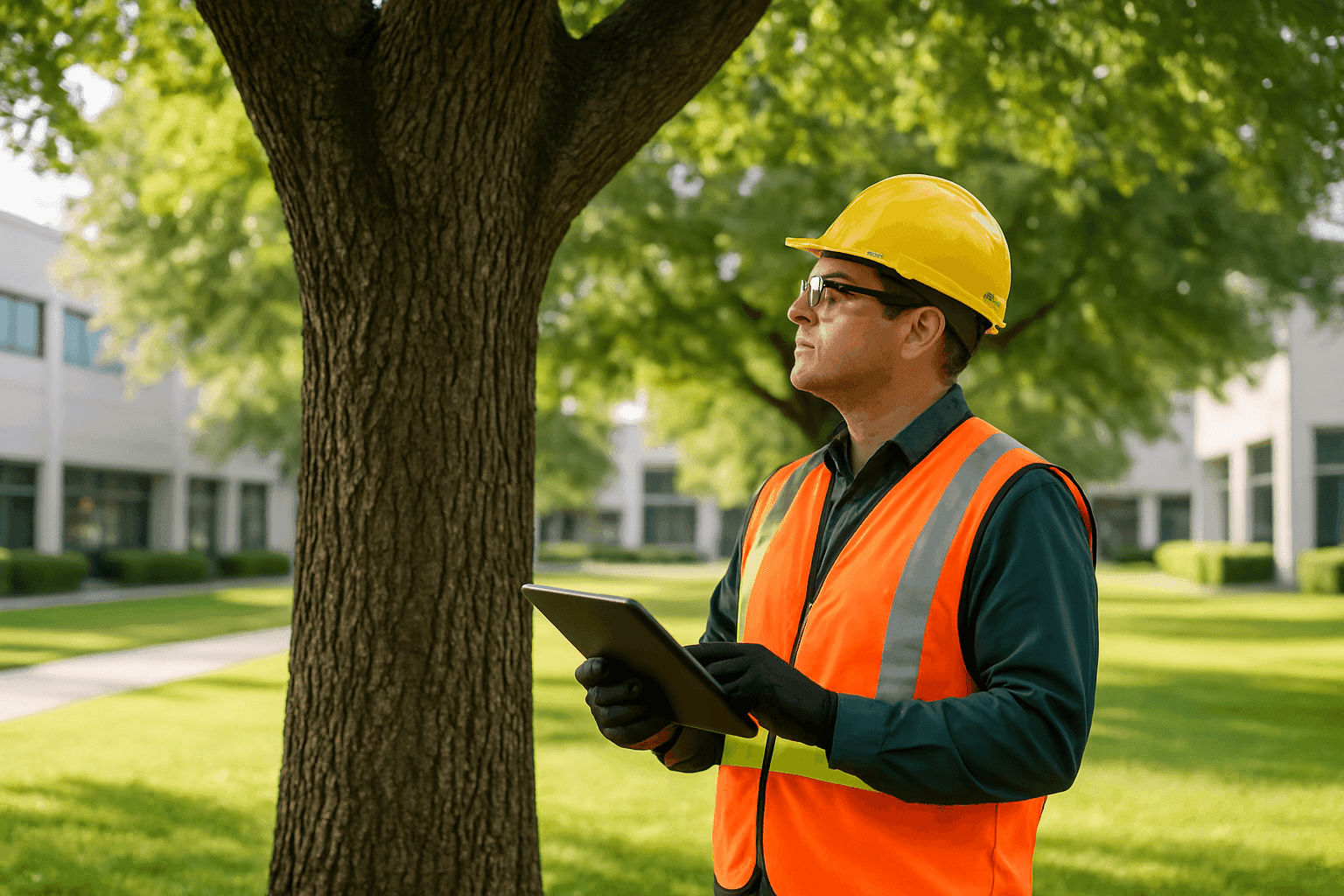
When you look out at your property, trees should inspire a sense of peace. But sometimes, the feeling turns to worry—cracks in trunks, branches that droop low, or a tree that just doesn’t look right. As the seasons shift, those silent giants can become headaches or hazards.
At Kreeky Tree, we know trees are more than background scenery. They're living investments—whether you manage a business park or care for your backyard. Knowing when to call a certified arborist could save you time, money, and stress. Let’s break down the signs, the science, and the steps to smarter tree care.
Spot the Warning Signs: When Trees Need Expert Eyes 🌳
Some tree troubles are obvious—a storm split, branches on the roof, or roots tearing up a sidewalk. Others whisper quietly, hinting at deeper issues. Here’s what to watch for:
- Cracks and splits: Look for deep fissures in trunks or major limbs.
- Leaning trees: Especially if the lean is sudden or worsens after rain.
- Wilting or yellow leaves: Out of season, or only on one side.
- Fungal growth: Mushrooms or shelf-like fungi at the base.
- Dead limbs: Brittle, leafless branches that snap easily.
- Unusual growths or bumps: Swellings, oozing sap, or odd textures.
- Root exposure: Heaving soil, visible roots, or shifting ground.
Think of these as a fever for your tree—nature’s way of flashing a warning light. If you spot several, or if a tree changes rapidly, it’s time for an expert diagnosis.
Quick Safety Checklist Before You Act
Before you climb a ladder or grab a saw, pause. Tree work can be risky—both for you and your property. Here’s a rapid safety scan:
- Check for utility lines: Never approach trees tangled in wires.
- Assess for large cracks: These can signal imminent failure.
- Look for hanging branches: Sometimes called “widowmakers” for a reason.
- Note storm impacts: Wind, lightning, and ice can destabilize trees overnight.
- Trust your gut: If something seems dangerous, it probably is.
If in doubt, don’t gamble with safety. Emergency tree_services are just a call away, day or night.
DIY vs. Calling a Pro: Where’s the Line?
Not all tree problems require a certified arborist. Sometimes, a little pruning or watering goes a long way. But when does it cross into “call a pro” territory?
You can handle:
- Light pruning of small, reachable branches.
- Raking leaves, basic watering, and fertilizing.
Call a certified arborist for:
- Large limbs over buildings or walkways.
- Trees leaning or uprooted after storms.
- Signs of disease, pests, or decay.
- Recurring issues year after year.
- Tree risk assessments for construction or property sales.
Think of an arborist like a tree doctor. When symptoms are severe or mysterious, you want someone with the credentials—and the gear—to diagnose and treat the problem, not just trim around it.
What Certified Arborists Do On Arrival
When you book Kreeky Tree’s commercial tree services or residential visits, here’s what happens:
- Initial walk-through: The arborist listens to your concerns, inspects problem areas, and takes notes.
- Tree health assessment: They’ll check for structural weaknesses, disease, root issues, and environmental stress.
- Risk evaluation: Using standards from the International Society of Arboriculture (ISA) and ANSI A300 guidelines, they identify hazards and prioritize action.
- Tailored recommendations: You’ll get a clear action plan—maybe cabling, pruning, removal, or plant health care.
It’s not guesswork. Certified arborists rely on science, years of field experience, and safety codes to make decisions that protect you, your property, and your trees.
Why Credentials Matter: The Difference Between General and Certified Care
Anyone can wield a chainsaw, but not everyone is a certified arborist. Here’s what sets them apart:
- Rigorous training: Certification requires study, exams, and ongoing education through organizations like the ISA.
- Code compliance: Certified pros know local ordinances and national safety standards.
- Insurance: Reputable companies carry liability and workers’ comp—protecting you from costly accidents.
- Ethical standards: Honest assessments and clear, written estimates.
You wouldn’t trust your health to someone without a license. Your trees deserve the same respect.
Prevention & Maintenance: The Best Defense
Tree care isn’t just about problems—it’s about prevention. Regular arborist consultations keep your landscape healthy and safe. Here’s what you can do:
- Schedule annual health checks: Like doctor visits for your trees.
- Mulch and water properly: Protect roots from heat and drought.
- Fertilize as recommended: But avoid overfeeding, which can cause weak growth.
- Prune at the right time: Late winter or early spring works for most species.
- Stay alert for pests: Emerald ash borer, beetles, and fungi can move fast.
A little maintenance now can prevent dangerous, costly emergencies later.
Costs & Time Factors: What to Expect
Tree care isn’t one-size-fits-all. The price and timing depend on several factors:
- Tree size and species: Bigger or rare trees require more skill and sometimes specialized equipment (like crane-assisted removal).
- Problem complexity: Diagnosis and treatment for disease or structural issues can be more involved.
- Accessibility: Tight yards, power lines, or hard-to-reach trees add time.
- Urgency: Emergency tree_services often cost more due to immediate response and overtime.
Expect a range of options. A professional will explain what’s urgent, what can wait, and how to budget for both.
When It’s an Emergency (and What to Do)
Certain situations call for instant action. If you face these, don’t hesitate:
- Tree or limbs on your home, car, or blocking access.
- Trees tangled with power lines.
- Visible cracks after a storm, especially in large trees.
- Sudden, unexplained leaning or uprooting.
- Any situation threatening safety or property.
In these cases, Kreeky Tree’s 24 hour emergency tree_services are ready to respond, no matter the hour. Stay clear of the danger zone and wait for the pros.
Frequently Asked Questions
Q: How do I verify if someone is a certified arborist?
A: Ask for their credentials—ISA certification is standard. You can check certification status through the International Society of Arboriculture.
Q: Will my tree need to be removed if it’s sick?
A: Not always. Many problems can be treated with pruning, cabling, or plant health care. Removal is a last resort.
Q: Can arborists help with property development or planning?
A: Yes. Arborists provide assessments for construction projects, helping preserve valuable trees and comply with local codes.
Q: What’s the difference between emergency and routine services?
A: Emergency tree_services address immediate threats—like storm damage or hazardous trees—while routine care focuses on prevention and long-term health.
Local and Seasonal Considerations for Tree Health 🍂
Weather patterns shape the risks for your trees. Heavy winds, snow, or drought can stress even healthy giants. In spring and fall, watch for:
- Rapid leaf drop or color change
- Soil saturation from rain or flooding
- Insect swarms or fungal blooms
Local bylaws may affect when and how trees can be pruned or removed. Certified arborists stay current with municipal codes, ensuring your work stays legal and safe.
Ready for a Healthier, Safer Property?
If you’re unsure about a tree’s health, or facing a sudden emergency, don’t wait for small issues to become big ones. Whether it’s a single maple in your yard or a row of oaks on commercial land, Kreeky Tree brings certified expertise, the right equipment, and a commitment to safety.
Call Kreeky Tree now — or reach us anytime at 888-846-7523 .