How to Spot Hazardous Trees: Warning Signs for Homeowners & Businesses
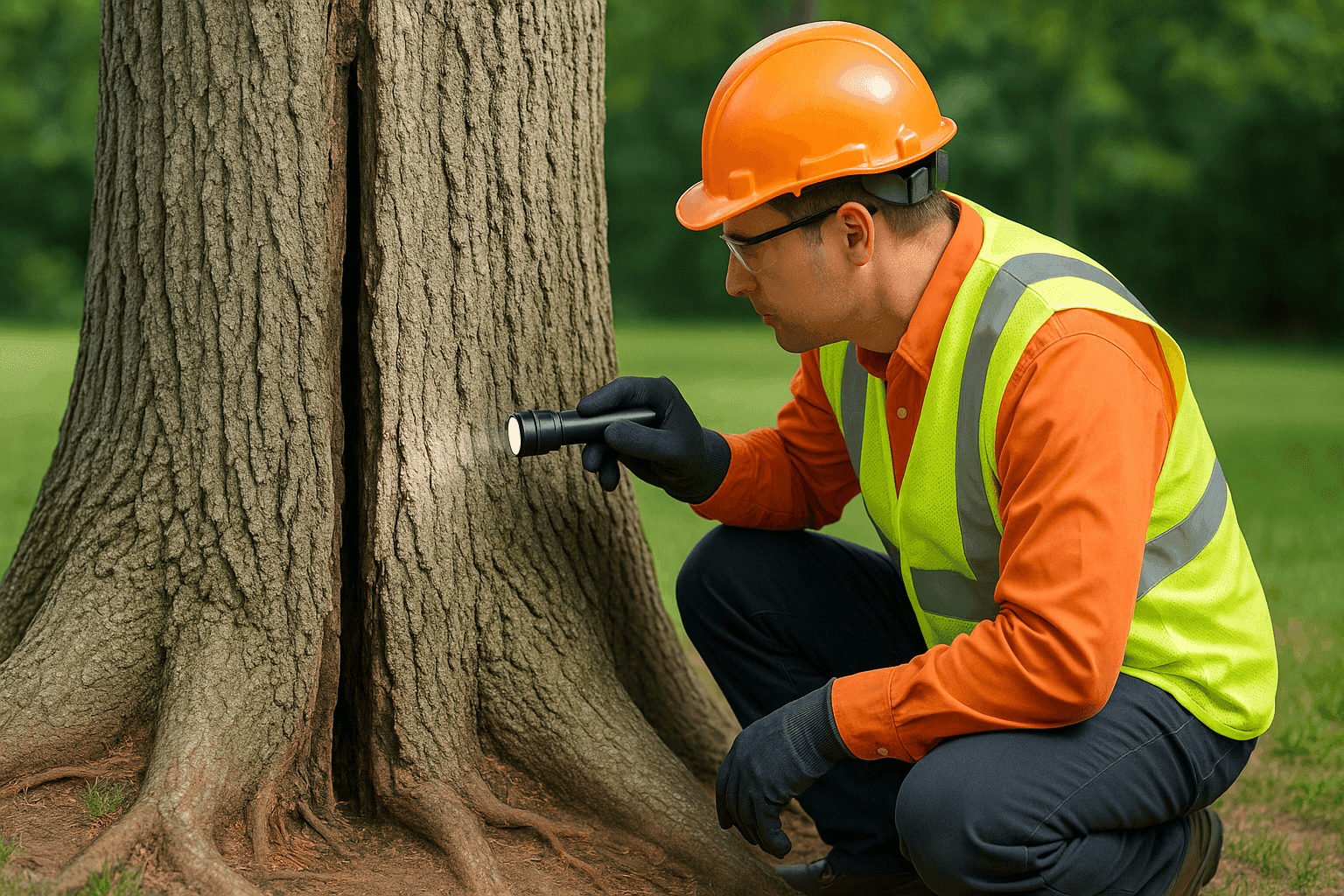
Is that old oak in your yard a shady friend, or a ticking time bomb? For many homeowners and businesses, trees are both protection and potential hazard. Every season, storms and wind remind us: a dangerous tree can cause costly damage—or worse.
At Kreeky Tree, we deal with emergency tree_services every day. We know the early warning signs. You don’t need to become an arborist, but you can learn to spot trouble before it turns into disaster. Let’s walk through what to look for, how to act, and why early action matters.
Why Hazardous Trees Are a Big Deal
A hazardous tree isn’t just an eyesore. It’s a threat—one that can fall on homes, parking lots, power lines, or even people. Storms, high winds, or even a hard freeze can turn a weak tree into a real emergency.
Ignoring warning signs can lead to:
- Property damage (think cars, roofs, fences)
- Injuries or worse
- Disruption of business operations
- Insurance headaches
According to the International Society of Arboriculture (ISA) and FEMA safety guidelines, early detection and professional management are critical for reducing risk and liability.
The Quick Safety Checklist ✅
Use this checklist during your next walk around the property—residential or commercial:
- Cracked or splitting trunk: Look for vertical lines or splits, especially after storms.
- Leaning trees: Especially if the lean is new or worsening. All trees lean a bit, but sudden changes mean trouble.
- Exposed or damaged roots: Roots sticking up, cut, or decaying can signal instability.
- Dead or hanging branches: “Widowmakers” can drop without warning, even on calm days.
- Mushrooms or fungal growth: Fungi at the base or along roots often mean hidden rot inside.
- Hollow or decayed areas: Large cavities or soft wood are red flags.
- Peeling bark or oozing sap: These may be a tree’s way of signaling distress.
- Sudden leaf loss or bare patches: Out of season, this points to deeper problems.
- Insect infestation: Carpenter ants, beetles, or termites speed up decay.
If you spot any of these, call for a professional opinion—especially if the tree is near a structure, pathway, or utility line.
DIY or Call a Pro? 🌳
A little pruning or raking is fine for most property owners. But when it comes to hazardous trees, don’t play lumberjack if you’re not trained.
DIY is okay for:
- Small, low branches you can reach safely from the ground
- Light seasonal cleanup (fallen twigs, leaves)
Call Kreeky Tree or another trained team if:
- Tree touches power lines or buildings
- You see large cracks, leans, or root upheaval
- You need climbing, cutting, or crane-assisted removal
- The job requires specialized equipment, permits, or traffic control
Tree work is dangerous. OSHA and ISA recommend hiring certified, insured experts for anything beyond basic maintenance.
What Pros Do When They Arrive
Here’s what to expect from a professional emergency tree_services crew:
Step 1: On-Site Assessment
Arborists look for hidden hazards—inside the trunk, at the roots, and in the canopy. They use mallets, probes, and sometimes drones to see what’s not obvious.
Step 2: Safety First
Before any work begins, crews secure the area. Tape-offs, traffic cones, or even road closures if needed for commercial tree services near you.
Step 3: Action Plan
- Pruning or cabling for minor issues
- Bracing for trees with structural potential
- Removal for irreparable hazards
- Crane-assisted removal for large, dangerous or hard-to-reach trees
Step 4: Cleanup
All debris is removed. Stumps can be ground down for safety and aesthetics.
Prevention & Maintenance—Stay Ahead of Trouble
Routine care is like regular checkups for your trees. Prevention is always cheaper—and less stressful—than reacting after a limb crashes down.
Tips:
- Schedule annual arborist consultations
- Prune trees before storm season (late winter/early spring)
- Fertilize as recommended for your region and species
- Install cabling or bracing for older or valuable trees
- Keep mulch away from trunks to discourage rot
- Monitor soil compaction, especially in parking lots or construction sites
The Tree Care Industry Association (TCIA) and local extension offices offer practical, region-specific guidelines for tree health.
Costs & Time Factors
No two trees—or emergencies—are the same. But here’s what affects cost and time:
- Tree size and location: Big, close-to-buildings, or hard-to-reach trees cost more to assess and remove.
- Urgency: Emergency tree_services after-hours or during storms may require extra resources.
- Equipment needed: Cranes, chippers, and stump grinders add expense.
- Disposal: Hauling away large amounts of debris takes time.
A simple trim could take under an hour. Full removal, especially with crane assistance, may stretch over a few days for commercial sites.
When It’s an Emergency 🚨
Call immediately if you see:
- A tree or limb on a power line
- A tree suddenly leaning after a storm
- Cracks opening up in the trunk or roots after heavy wind or snow
- Large branches dangling precariously over homes, roads, or play areas
Never approach or try to move a fallen tree touching wires—call emergency tree_services and your utility provider.
Frequently Asked Questions
Q: How can I tell if a tree is about to fall?
A: Sudden leans, new cracks, uprooting, and heavy branch drop are warning signs. If you have any doubts, call for a professional assessment.
Q: Are there laws about removing hazardous trees?
A: Many municipalities require removal of dead or hazardous trees, especially if they threaten public spaces. Check local codes or consult with a certified arborist.
Q: What if my neighbor’s tree is dangerous?
A: Document your concerns, notify your neighbor in writing, and contact local authorities if there’s immediate danger.
Q: Do insurance policies cover tree damage?
A: Most property insurance covers tree damage from storms or sudden events, but not neglect. Check your policy and document issues early.
Local & Seasonal Considerations
After major storms, ice events, or hurricanes, hazardous trees are much more common. Late winter and early spring are prime times for inspection—before new growth hides trouble spots.
If you’re in a region with high winds, flooding, or drought, trees may decline faster. Commercial properties with heavy foot traffic or vehicle access should be checked more often.
Final Thoughts
Spotting hazardous trees early saves money, stress, and sometimes even lives. It’s a skill every property owner—residential or commercial—should have. When in doubt, don’t wait. A quick call to Kreeky Tree can prevent a small problem from becoming a big one.
Call Kreeky Tree now — or reach us anytime at 888-846-7523 .