Tree Removal Cost Breakdown: What Factors Affect Price?
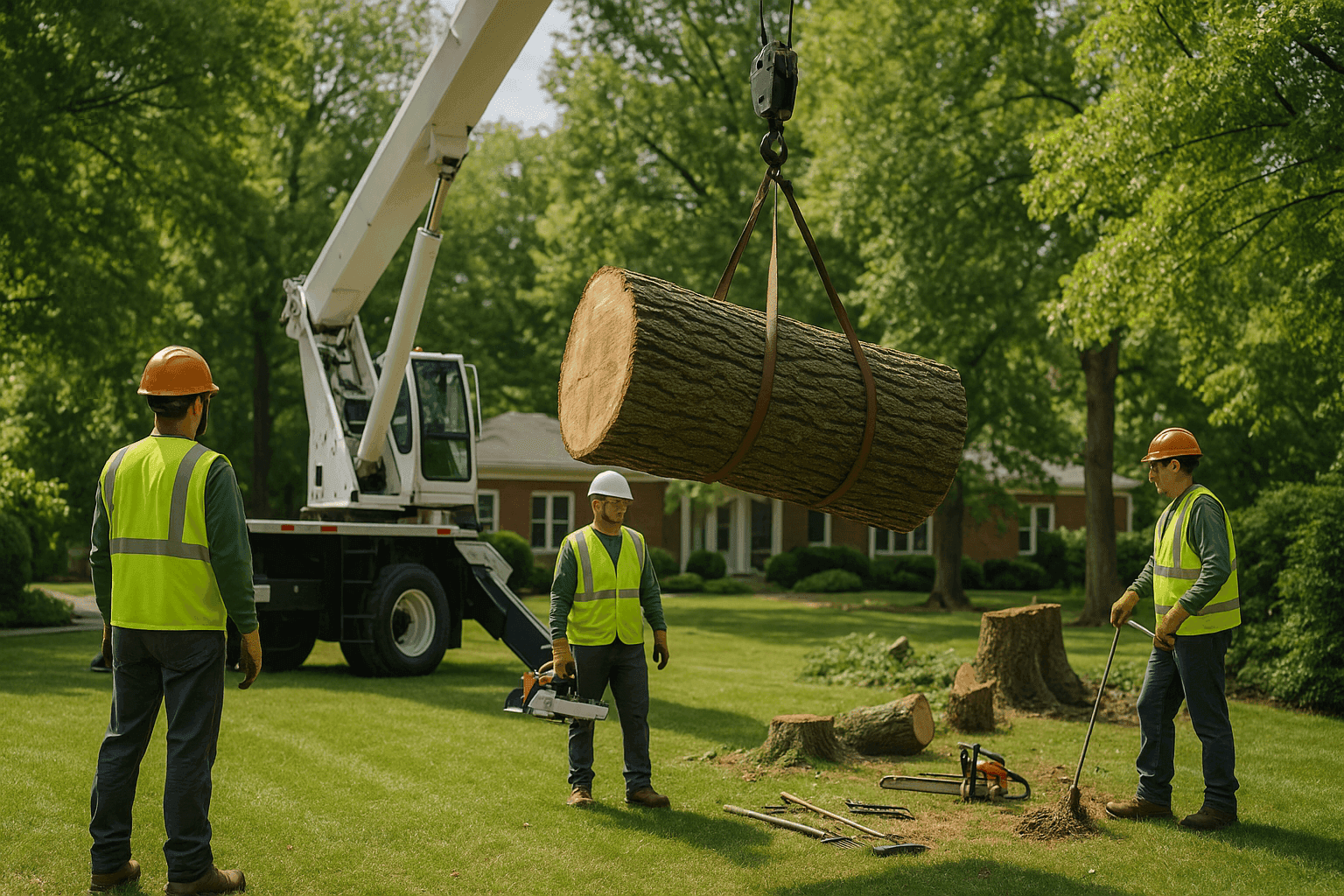
When a tree threatens your safety or property, the last thing you want is a confusing price tag. At Kreeky Tree, we hear it all the time: “Why does tree removal cost what it does?” The truth is, every tree—and every job—tells a different story.
Whether you manage a shopping plaza, lease office space, or just want your backyard safe for the kids, understanding the cost factors helps you make smarter decisions. Let’s break down the details, so you can breathe easy and avoid surprise fees.
Why Tree Removal Costs Vary So Much
Ever see a neighbor’s bill and wonder why yours looks so different? Tree removal isn’t like buying a gallon of milk. It’s more like ordering a custom suit—tailored to the job, the risks, and the tools required.
Here’s what shapes the price:
- Tree Size: A towering oak takes more time and muscle than a small birch.
- Species: Some woods are dense or tricky to cut, while others are brittle.
- Location: Is your tree squeezed between fences or hanging over power lines?
- Accessibility: Can crews bring in equipment, or is it all ropes and elbow grease?
- Urgency: Emergency tree_services—especially after storms or at night—often cost more.
- Equipment: Need a crane or special rigging? That’s a game changer.
The cost isn’t just for the cut. It’s for the planning, safety, and cleanup, too.
Quick Safety Checklist Before Tree Removal 🦺
Before any work starts, make sure you (and your tree service) have these bases covered:
- Confirm property lines. Don’t risk cutting a neighbor’s tree by accident.
- Check for overhead wires and underground utilities (call 811 in most states).
- Review local permits or HOA guidelines. Some towns require permission.
- Clear vehicles, pets, and valuables from the work zone.
- Ask about insurance and workers’ compensation coverage.
- Get a detailed written estimate—including add-ons like stump grinding.
Safety isn’t a shortcut. It’s the foundation of every reputable tree job.
DIY vs. Call a Pro: Know Your Limits
Cutting down a tree looks simple on YouTube. In reality, it’s like playing chess in the wind—unpredictable and risky. Even a small tree can fall the wrong way, damage property, or cause injury.
Consider calling Kreeky Tree or another qualified arborist when:
- The tree is taller than 15 feet.
- It’s near structures, vehicles, or power lines.
- You need emergency tree_services after a storm.
- Decay, rot, or heavy lean make the tree unstable.
- You lack the right safety gear or experience.
DIY is fine for saplings. For anything more, let professionals handle the danger.
What Pros Do On Arrival
Wondering what happens when a tree crew shows up? Here’s the play-by-play:
- Site Assessment: The crew surveys hazards—looking up, down, and all around.
- Plan of Attack: They decide where to cut, how to rig, and what equipment to use.
- Set Up Safety Zones: Barriers, cones, and spotters keep people out of harm’s way.
- Cutting and Lowering: Large sections may be roped down, or a crane might lift them.
- Cleanup: Branches, logs, and debris are removed—sometimes chipped or hauled away.
All steps follow guidelines from organizations like the International Society of Arboriculture (ISA) and OSHA, putting safety and property protection first.
Prevention & Maintenance: Trimming Costs Down
The best way to avoid a big removal bill? Keep your trees healthy and managed.
- Schedule regular trimming and pruning to prevent overgrowth or weak limbs.
- Watch for signs of disease or decay: mushrooms, peeling bark, dead branches.
- Consult a certified arborist for plant health care and fertilizing.
- Invest in cabling and bracing for vulnerable trees.
Small investments now can save you from major emergency tree_services later.
What Goes Into Tree Removal Costs & Time
Let’s get real about the numbers. Tree removal jobs can range from a few hundred dollars to several thousand, depending on:
- Height and Spread: Taller, broader trees take longer and require more crew.
- Species: Hardwoods like oak or hickory are tougher to cut and haul.
- Location and Obstacles: Tucked-away trees or tight spaces increase labor.
- Access for Equipment: Need a crane or specialized gear? That adds cost.
- Stump Grinding: Removing the stump is almost always extra.
- Hauling Debris: Some quotes include cleanup, others don’t.
Typical ranges:
- Small tree (under 30 feet): $300–$800
- Medium tree (30–60 feet): $600–$1,500
- Large tree (over 60 feet): $1,200–$3,000+
- Emergency or after-hours: Add 20%–50% depending on severity and timing
Stump grinding can add $100–$400 per stump. Debris haul-away may be included or billed separately. Always ask!
When It’s an Emergency: What Changes? ⚡
Storms don’t wait for business hours. Neither do falling trees. Emergency tree_services are available 24/7, but the urgency comes at a price.
Why? Crews may need to:
- Mobilize at night, weekends, or holidays.
- Work in dangerous conditions (downed wires, unstable ground).
- Prioritize your job over others in the queue.
- Bring extra equipment or personnel.
Insurance companies may cover some costs—especially when damage threatens people or structures. Save receipts and document everything for claims.
Add-Ons and Hidden Fees: What to Watch Out For
No one likes surprise charges. Here’s what can sneak onto a bill:
- Stump Removal: Not always included in the base price.
- Debris Hauling: Wood chips, logs, and branches may cost extra.
- Permits and Inspections: Some towns require them for big jobs.
- Travel Fees: Remote or hard-to-reach locations may add mileage costs.
- Crane Use: If your tree needs a crane, expect a surcharge.
Tip: Get a written estimate detailing every charge. Ask what’s included and what’s not.
Checklist: Info to Gather for an Accurate Quote
You’ll get the fastest, fairest quote when you have these details ready:
- Address and access info (gates, driveways, overhead wires)
- Number, height, and species of trees
- Proximity to buildings, fences, or power lines
- Preferred timing (routine or emergency tree_services)
- Request for extra services (stump grinding, debris removal, land clearing)
- Photos of the tree and surrounding area
The more you share up front, the fewer surprises on your bill.
FAQ: Tree Removal Pricing
Q: Can I get a quote over the phone?
A: Ballpark estimates are possible, but a site visit gives a precise price.
Q: Does insurance cover tree removal?
A: Sometimes—if the tree damaged your home or is an immediate hazard. Check your policy.
Q: Why do crane-assisted removals cost more?
A: Cranes are specialized equipment, often rented by the hour, and require skilled operators for safety.
Q: Is cleanup always included?
A: Not always. Some companies charge extra for hauling debris or grinding stumps.
Local and Seasonal Considerations 🌳
Tree removal costs can shift with the seasons. After storms or hurricanes, demand spikes—so do prices. Winter removals may cost less if trees are dormant, but snow and ice can add hazards.
If you’re managing a business or rental property, routine tree care can help you avoid emergency rush rates. For residential jobs, plan ahead when possible.
Always check local codes—some areas require permits, and protected species may be off-limits for removal.
Understanding tree removal costs doesn’t have to be a guessing game. Kreeky Tree brings clarity, transparency, and safety to every job—residential or commercial. Questions about your next tree project?
Call Kreeky Tree now — or reach us anytime at 888-846-7523 .