Tree Trimming & Pruning Best Practices: Healthy Trees Year-Round
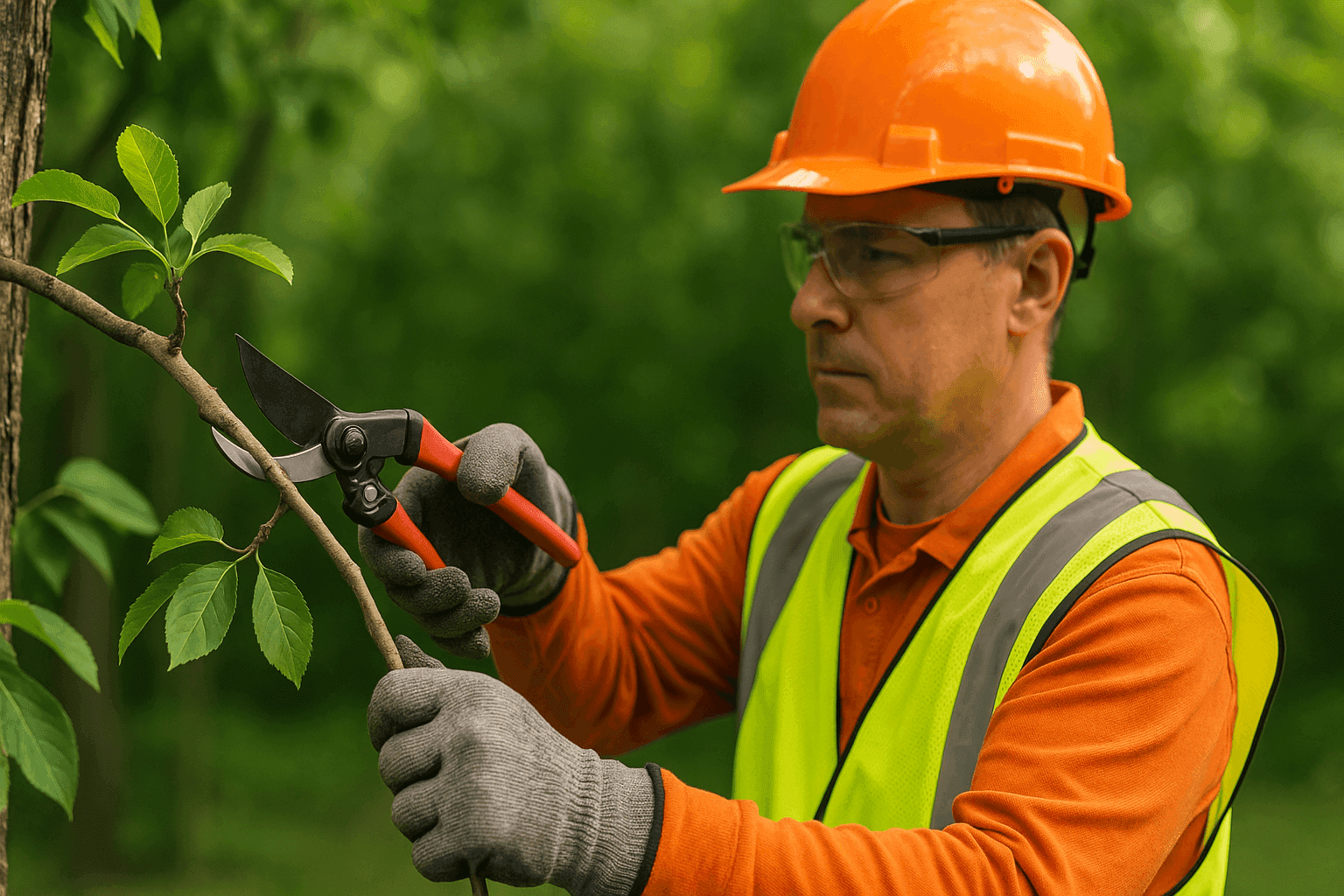
Is your tree starting to look wild? Maybe it’s dropping twigs after every breeze, or those limbs are sagging a little too close to your roof. At Kreeky Tree, we know that skipping regular tree trimming is like forgetting to brush your teeth—problems multiply, and sooner or later, you’ve got an emergency on your hands.
Healthy trees don’t just happen. Homeowners and property managers who stay ahead of the game see fewer costly surprises, and their landscapes look great every season. Our crews have seen it all, from storm-ravaged giants to overgrown saplings, and we’re here to share what really works—no fluff, just solid advice and a little tough love for your trees.
Why Tree Trimming and Pruning Matter—For Homes and Businesses 🌳
Trees are more than scenery—they’re shade, curb appeal, and sometimes the first line of defense in a storm. But left untended, those same branches can spell trouble.
For residential properties, regular pruning means:
- Fewer branches snapping in high winds
- Healthier growth and a greener canopy
- Less risk to your family, pets, and home
On commercial sites, well-maintained trees:
- Impress clients and tenants
- Protect signage, parking, and structures
- Lower long-term landscaping costs
Think of trimming as a check-up—catch small issues before they turn into emergencies. According to the International Society of Arboriculture (ISA), proper pruning can extend the life of your trees and reduce the risk of property damage.
Quick Safety Checklist: Don’t Start Without These
Before you grab the loppers, take a beat. Tree work can go sideways fast.
- Wear protective gear: Gloves, sturdy boots, eye protection, and a hard hat.
- Inspect your ladder: Stable and tall enough. Never stand on the very top step.
- Check for power lines: If branches are anywhere near them, call a professional.
- Sharpen your tools: Dull blades can shred, not cut.
- Spot unstable limbs: If they look cracked, rotten, or too thick, step back.
If anything feels off, or you’re not sure, pause. Safety comes first. The Occupational Safety and Health Administration (OSHA) recommends working with a spotter and never taking on large limbs alone.
DIY vs. Call a Pro: Know Your Limits
Some pruning jobs are weekend projects. Others need a practiced hand and specialty gear.
DIY-friendly tasks:
- Removing small deadwood or twigs you can reach from the ground
- Light shaping of young trees (with sharp, clean tools)
- Snipping suckers from the base
Call a pro for:
- Branches thicker than your wrist
- Anything above your head, especially near buildings or lines
- Trees with visible disease or storm damage
- Structural pruning or cabling/bracing
Trying to DIY a big job is like climbing a ladder with roller skates. Commercial Tree Services near you, like Kreeky Tree, have the training, insurance, and equipment to handle what you shouldn’t.
What Pros Do On Arrival
When you call in Kreeky Tree—or any certified emergency tree_services crew—here’s what happens:
- Assessment: Certified arborists look for disease, rot, and risky limbs.
- Plan of attack: We map out cuts to encourage healthy regrowth, not just hack away.
- Safe setup: Ropes, harnesses, and (sometimes) cranes for heavy lifting.
- Clean cuts: We use industry-standard angles and don’t leave stubs or tears.
- Debris removal: No mess left behind.
Professionals follow ANSI A300 tree pruning standards, which means your trees get the right treatment year after year.
Prevention & Maintenance: Stay Ahead of Trouble
Want fewer headaches? Make tree care a habit, not a one-time fix.
- Annual inspection: Walk your property each spring and fall, looking for split bark, dead limbs, or odd growth.
- Seasonal trimming: Late winter or early spring is prime time for most species, before sap flows and leaves sprout.
- After storms: Check for broken or hanging branches. Address them quickly to prevent further damage.
- Mulch and fertilize: Healthy roots mean strong, resilient trees.
Think of each trim as steering the ship, keeping your trees balanced and out of harm’s way.
Costs & Time Factors: What to Expect
Tree trimming isn’t one-size-fits-all. Costs—and time—vary based on:
- Tree size and type (a small dogwood vs. a towering oak)
- Scope of work (light shaping vs. major removal)
- Accessibility (tight spaces, near structures)
- Storm damage or emergency response needs
A simple trim might take an hour or two. Large, crane-assisted jobs can last a full day. Remember: investing in regular care can save thousands on storm cleanup or emergency tree_services down the road.
When It’s an Emergency
Sometimes you can’t wait. High winds, ice, or heavy rain can topple limbs—or whole trees—without warning.
Warning signs:
- Fresh cracks or splits in major branches
- Trees suddenly leaning or roots lifting
- Branches tangled in power lines
- Debris blocking driveways or access roads
Kreeky Tree’s 24-hour service means help is available around the clock. Don’t risk your safety—if you spot any of these, step back and call for emergency tree_services right away.
FAQ: What Property Owners Ask Most
How often should I trim my trees?
Most trees benefit from pruning every 1–3 years, depending on the species, age, and site conditions.
Will trimming hurt my tree?
Not if it’s done right. Poor cuts can invite disease; proper technique actually helps trees heal and grow stronger.
Is fall or spring better?
Dormant season (late winter to early spring) minimizes stress and sap loss for most trees. But after storms or for safety, act right away.
Can I skip pruning if my tree looks healthy?
Appearance can be deceiving. Hidden rot or weak limbs may not be obvious from the ground. Regular inspection is key.
Local & Seasonal Considerations
Every region’s climate shapes how and when you should prune:
- In colder areas, wait until the harshest freezes pass.
- In storm-prone zones, trim before hurricane or tornado season.
- Urban lots may need more frequent work due to pollution and space constraints.
The National Arbor Day Foundation recommends checking your local extension office for area-specific timing and guidelines.
Healthy trees are strong trees—less likely to break, drop limbs, or bring surprise headaches to your home or business. Whether you need Commercial Tree Services near you, rapid-response emergency tree_services, or a seasonal trim, Kreeky Tree is ready, 24/7.
Call Kreeky Tree now — or reach us anytime at 888-846-7523 .