How to Prepare Your Trees for Winter Storms: A Homeowner’s Guide
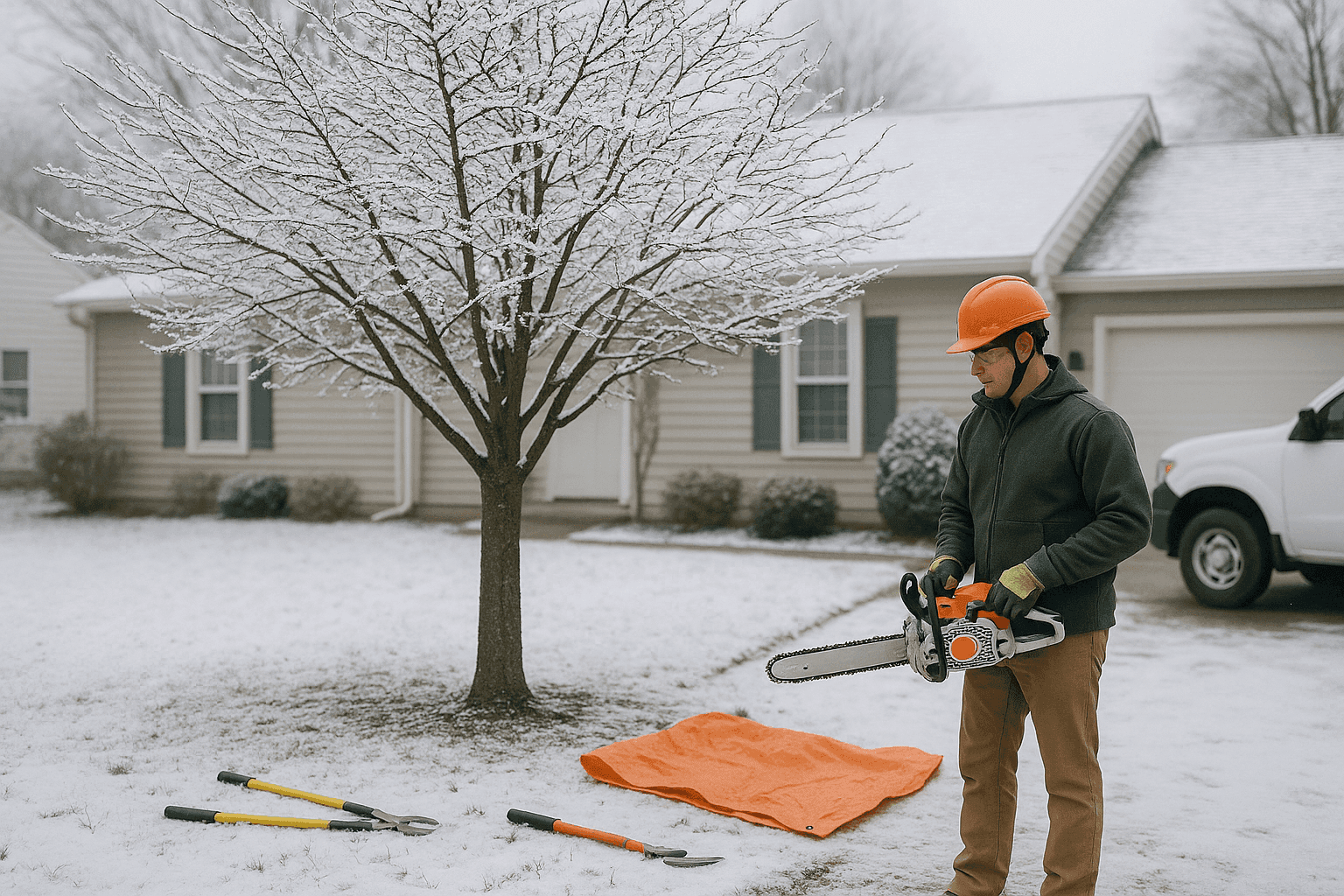
Winter storms can turn a peaceful yard into a scene of chaos overnight. For homeowners and small business owners, the fear of falling branches or uprooted trees is real. But you’re not powerless—there’s a lot you can do to protect your property and keep your trees healthy when the cold winds howl.
At Kreeky Tree, we’ve seen firsthand how a little preparation can prevent a lot of heartache. Drawing on certified arborist guidance and years of emergency tree_services, this guide will walk you through the steps to safeguard your trees before, during, and after a winter storm.
Understanding Winter Storm Risks for Trees ❄️
Winter weather can be brutal for trees. Ice, snow, and wind each bring their own set of hazards. Imagine your favorite shade tree: under the weight of heavy, wet snow, even the strongest limbs can snap like pretzel sticks.
Common winter tree hazards:
- Ice accumulation: Ice coats branches, making them brittle and heavy. Even a thin layer can double the weight a limb must support.
- Heavy snow: Wet, dense snow settles on branches, bending or breaking them. Multi-stemmed and weakly attached limbs are especially at risk.
- High winds: Gusts can whip through, especially after snow or ice has already stressed the tree, causing sudden breaks or uprooting.
- Freeze-thaw cycles: Fluctuating temperatures can crack bark and stress the tree’s structure.
According to the International Society of Arboriculture (ISA), most storm-related tree failures are preventable with proper care. The key is to spot risks before the weather turns nasty.
Essential Winter Tree Care Practices
A little TLC goes a long way. Think of preparing your trees for winter like tuning up your car before a long road trip. Here’s how to get started:
Pruning: The First Line of Defense
- Remove dead or weak branches: Deadwood is the first to go in a storm. Prune these out before winter.
- Thin the canopy: This helps reduce wind resistance and prevents snow from piling up.
- Cut back overextended limbs: Long, heavy branches are more likely to break under stress.
The American National Standards Institute (ANSI A300) sets the bar for safe, effective pruning practices. If in doubt, consult a certified arborist.
Fertilizing and Plant Health Care
- Fertilize in late fall: A slow-release fertilizer can boost root health and resilience.
- Mulch the base: A 2-4 inch layer of mulch (not touching the trunk) insulates roots and conserves moisture.
- Water before the freeze: Hydrated trees are less likely to suffer winter injury.
Cabling and Bracing for Weak Trees
Some trees have structural weaknesses—like split trunks or heavy, V-shaped branches. Cabling and bracing can add support, much like a cast protects a broken bone. This is best left to professionals with the right equipment and know-how.
Identifying Vulnerable Trees and When to Call an Arborist 🌳
Not every tree needs intervention. But some cry out for help—if you know what to look for.
Warning signs your tree may be at risk:
- Deep cracks or splits in the trunk
- Mushrooms or fungal growth at the base (a sign of decay)
- Large, dead limbs high in the canopy
- Trees leaning suddenly or more than usual
- Bark peeling away or “wounds” that don’t heal
If you spot these, it’s time for an arborist consultation. Certified arborists (look for ISA or TCIA credentials) can diagnose problems and recommend solutions before winter storms hit.
Emergency Tree Services in Winter: What to Expect
Sometimes, even the best-prepared trees lose the battle. That’s when emergency tree_services step in.
What Happens During Emergency Tree Services?
- Rapid response: Teams are on call 24/7, ready to assess and act—day or night.
- Safety first: Crews secure the area to protect people and property.
- Assessment: Arborists evaluate the tree’s condition and the safest removal or stabilization method.
- Specialized equipment: For large or dangerous trees, crane-assisted removal may be used.
- Cleanup: Downed branches and debris are cleared, and stumps can be ground out if needed.
Kreeky Tree’s crews are trained for hazardous conditions—icy ground, downed power lines, and unpredictable tree behavior.
Practical Tips for Winter Tree Safety
- Inspect trees regularly: Walk your property before and after storms.
- Keep driveways and walkways clear: Prune overhanging branches that could block exits.
- Mark hazards: Use bright tape or cones to flag dangerous areas until help arrives.
- Stay clear of downed wires: Never touch a tree tangled with power lines—call utility services immediately.
When to DIY and When to Call the Pros
It’s tempting to grab a saw and tackle the job yourself. For small limbs or light pruning, that’s fine. But for anything involving ladders, chainsaws, or large branches, it’s safer (and often cheaper in the long run) to call in the pros.
DIY is okay for:
- Light pruning of small, reachable branches
- Mulching and watering
Call a professional for:
- Large branches or trees near structures
- Trees with visible damage or decay
- Anything involving power lines
- Cabling, bracing, or crane work
What to Expect When Pros Arrive
- Assessment: Certified arborists check the tree’s health, stability, and risks.
- Clear communication: You’ll get a rundown of the work needed and safety steps.
- Efficient action: Crews use proper gear and methods to minimize damage to your property.
- Thorough cleanup: All debris and hazards are removed before they go.
Prevention & Maintenance: Year-Round Habits
Winter prep isn’t a one-and-done chore. Healthy trees are the result of year-round attention.
Simple habits for strong, storm-resistant trees:
- Annual pruning and health checks
- Regular mulching and deep watering
- Monitoring for pests and disease
- Professional arborist consultations every few years
The Tree Care Industry Association (TCIA) recommends a proactive approach to avoid emergencies and costly damage.
Costs & Time Factors (No Quotes, Just Ranges)
Tree care costs and timelines vary depending on the size, condition, and location of your trees.
What affects cost and time:
- Tree size and accessibility
- Type of service (pruning, removal, cabling, etc.)
- Urgency—emergency tree_services often require overtime or after-hours work
- Equipment needed (standard vs. crane-assisted)
Most routine pruning or inspection visits take a few hours. Emergency removals, especially after a storm, can take longer due to hazardous conditions.
When It’s an Emergency 🚨
Not every winter tree issue is urgent. But some situations call for immediate help:
- Limbs or trees threatening a building, vehicle, or walkway
- Trees tangled with power lines
- Cracks or splits that appear suddenly after a storm
- Fallen trees blocking access or posing safety risks
If you’re unsure, err on the side of caution and call for emergency tree_services.
FAQ: Winter Tree Care & Storms
How often should I inspect my trees in winter?
At least once before the first big storm, and after any major weather event.
Can I prune my own trees in winter?
Small, reachable branches are usually safe, but large limbs or anything requiring a ladder should be left to professionals.
What if a tree is touching power lines?
Stay away and call your utility provider immediately. Never attempt to remove it yourself.
Do all trees need fertilizing before winter?
Not always. Fertilizing is most helpful for young, stressed, or previously damaged trees. Ask an arborist for tailored advice.
Special Considerations for Winter Tree Services
- Frozen ground: Makes tree removal and stump grinding more challenging, but sometimes safer for heavy equipment.
- Wildlife: Birds and small animals may shelter in trees during winter—crews check before work begins.
- Insurance: Document storm damage with photos for claims. Kreeky Tree can provide service records for your peace of mind.
Don’t wait until the next snowstorm catches you off guard. Protect your property, your trees, and your peace of mind.
Call Kreeky Tree now — or reach us anytime at 888-846-7523 .